

Why Am I So Tired Even Though I Sleep 8 Hours and Eat Well?

Do you find yourself dragging through the day despite getting a full night’s sleep and making healthy food choices? If you’re constantly asking yourself, “Why am I so tired?” you’re not alone. Fatigue is one of the most common complaints among adults, and sometimes the answer isn’t as simple as getting more rest or improving your diet.

One often-overlooked cause of persistent fatigue is hormone imbalance.

When Sleep and Nutrition Aren’t Enough

Most people assume that exhaustion is caused by lack of sleep, stress, or poor eating habits. While those factors can certainly contribute, many individuals continue to struggle with low energy even after making positive lifestyle changes.

If you’re sleeping 7-9 hours per night, eating a balanced diet, staying hydrated, and still feeling exhausted, your hormones may be worth investigating.

Hormones act as your body’s chemical messengers, helping regulate energy production, metabolism, mood, sleep, and overall well-being. When they become imbalanced, fatigue can become a daily battle.

Hormones That May Be Affecting Your Energy

Thyroid Hormones

Your thyroid plays a critical role in regulating metabolism and energy production. When thyroid hormone levels are too low, you may experience:

  • Constant fatigue
  • Weight gain
  • Brain fog
  • Dry skin
  • Feeling cold frequently

Even mild thyroid imbalances can significantly impact how you feel.

Cortisol

Known as the body’s stress hormone, cortisol helps regulate energy throughout the day. Chronic stress can disrupt normal cortisol patterns, leaving you feeling:

  • Exhausted in the morning
  • Dependent on caffeine
  • Tired but unable to sleep
  • Burned out and overwhelmed

Testosterone

Low testosterone doesn’t only affect men. Both men and women need healthy testosterone levels for energy, motivation, muscle maintenance, and mental clarity.

Symptoms of low testosterone may include:

  • Fatigue
  • Reduced motivation
  • Low libido
  • Decreased muscle mass
  • Difficulty recovering from exercise

Estrogen and Progesterone

For women, fluctuations in estrogen and progesterone can have a major impact on energy levels. During perimenopause and menopause, hormone changes may contribute to:

  • Poor sleep
  • Night sweats
  • Mood changes
  • Brain fog
  • Persistent fatigue

Many women assume these symptoms are simply part of aging, when hormone evaluation may reveal opportunities for treatment and support.

Other Signs Your Hormones May Be Out of Balance

Fatigue rarely appears alone. Hormone imbalances often come with additional symptoms such as:

  • Weight gain or difficulty losing weight
  • Anxiety or depression
  • Low libido
  • Brain fog
  • Mood swings
  • Joint pain
  • Poor sleep quality
  • Decreased motivation
  • Hair thinning

If several of these symptoms sound familiar, a hormone evaluation may provide valuable answers.

The Importance of Hormone Testing

Guessing isn’t the best approach when it comes to your health.

Comprehensive hormone testing can help identify underlying imbalances that may be contributing to your fatigue and other symptoms. Understanding your hormone levels allows healthcare providers to create a personalized treatment plan tailored to your unique needs.

Rather than masking symptoms with more caffeine or energy drinks, hormone testing can help uncover the root cause of why you aren’t feeling your best.

You Deserve to Feel Energized Again

Feeling exhausted all the time isn’t something you should simply accept. If you’re sleeping well, eating healthy, and still struggling with low energy, your hormones may be trying to tell you something.

A hormone evaluation can provide insight into what’s happening inside your body and help you take the first step toward reclaiming your energy, focus, and vitality.

At New Leaf Wellness, we help patients uncover the root causes of fatigue through comprehensive hormone evaluations and personalized wellness plans.

Don’t settle for being tired every day. Get your hormones checked and discover what your body may be missing.

Feeling Off Lately? You’re Not Alone—and You’re Not Imagining It

Does this sound familiar?

  • Exhausted before noon
  • Brain fog that just won’t lift
  • Low drive or motivation
  • Constant mood swings
  • Feeling unlike yourself

If you’re in your 30s, 40s, or 50s and feel like something has changed, you’re not imagining it—and you’re definitely not alone.

When “Normal” Doesn’t Feel Normal

Many men and women begin to notice subtle but frustrating shifts in how they feel, including:

  • Disrupted or non-restorative sleep
  • Brain fog or forgetfulness
  • Weight gain that doesn’t respond to diet or exercise
  • Increased irritability or anxiety
  • Decreased motivation and sexual desire

Too often, these symptoms are brushed off as stress, busy schedules, or “just getting older”—especially when standard bloodwork comes back labeled as normal. But normal lab ranges don’t always reflect what’s optimal for you.

You know your body. And when something feels off, it’s worth paying attention.

Getting to the Root Cause

At New Leaf Wellness, we believe your symptoms matter. That’s why we take a deeper, more personalized approach to your health.

We combine comprehensive bloodwork with a careful review of your symptoms, lifestyle, and health history. Most importantly—we listen. From there, we create a customized plan designed to restore balance, boost energy, and help you feel like yourself again using natural, root-cause solutions.

Our goal isn’t to mask symptoms—it’s to help you reclaim your drive, clarity, and overall well-being.

Take the First Step Toward Feeling Better

You don’t have to keep pushing through exhaustion or accepting feeling “off” as your new normal.

📞 Schedule your free Wellness Consultation with New Leaf Wellness today: 888-728-7555

It’s a pressure-free conversation where you can ask questions, share your concerns, and discover whether our natural, personalized approach is the right fit for you.

Because feeling better isn’t a luxury—it’s possible. And it starts here.

Brain Fog & Menopause: Why You Feel Mentally Cloudy

Staring at your computer screen, trying to focus—but your thoughts feel slow and stuck. You forget simple words. You lose your train of thought mid-sentence. You wonder, What is happening to me?

If you’re in perimenopause or menopause, it may be brain fog.

Up to 3 out of 5 women experience cognitive changes during this stage of life. Slower thinking, difficulty concentrating, forgetfulness, and trouble learning new information are all common. And while many women expect hot flashes, few expect to feel mentally off.

Why It Happens

As estrogen levels decline during perimenopause and menopause, brain function can be affected. Estrogen plays an important role in memory, focus, and processing speed. Poor sleep and stress can make symptoms even worse. For women with low thyroid function, brain fog may feel even more intense.

How Hormone Support May Help

Customized Bioidentical Hormone Replacement Therapy (BHRT) may help support hormonal balance, including estrogen and thyroid levels. Balanced hormones can contribute to:

  • Improved mental clarity
  • Better focus
  • More restful sleep
  • Greater overall well-being

You don’t have to accept brain fog as your “new normal.”

Take the First Step

At New Leaf Wellness, we specialize in personalized hormone evaluations designed to help you feel like yourself again. If you’re struggling with brain fog, fatigue, or other menopause symptoms, our team is here to help.

📞 Call today to schedule your consultation and take back your clarity.

Male Menopause? Yes, It’s Real.

While most people are familiar with menopause in women, fewer realize that men experience their own version of hormonal change—called andropause. Andropause refers to the gradual decline in testosterone levels that typically begins in a man’s 40s and continues with age.

This hormonal shift can bring on a range of physical and emotional symptoms, including:

  • Low energy
  • Decreased muscle mass
  • Sleep issues
  • Reduced libido
  • Erectile dysfunction
  • Mood changes like anxiety, depression, irritability, and brain fog
    Sound familiar? Many of these symptoms mirror what women experience during menopause, although they tend to be milder in men.

The term “low T” gained popularity in the early 2000s thanks to marketing campaigns promoting testosterone replacement therapy (TRT). Today, it’s estimated that 24–39% of men aged 30 to 79 have testosterone levels considered low (below 300 ng/dL). Even more concerning, testosterone levels appear to be dropping faster than in previous generations—likely due to lifestyle and environmental factors.

But does that mean most men with low testosterone should jump straight to TRT? Not necessarily.
Only about 6% of men with low testosterone actually show symptoms of androgen deficiency. Without those clinical symptoms, testosterone therapy isn’t usually recommended.

In fact, testosterone supplementation comes with real risks:

  • Heart attack, stroke, and blood clots (especially in older men)
  • Infertility
  • Sleep apnea
  • Enlarged prostate and elevated PSA levels
  • Acne
  • Testicular shrinkage

If you’re experiencing symptoms and suspect low testosterone, it’s best to start by talking with your healthcare provider, such as a primary care physician or urologist. Bloodwork can help determine whether hormone levels are a concern—and if treatment is appropriate.

In many cases, lifestyle changes can go a long way in supporting healthy testosterone levels and improving how you feel:

✅ Strength training (weights or bodyweight exercises)
✅ Reducing alcohol intake
✅ Managing stress
✅ Prioritizing sleep (aim for 7+ hours per night)
✅ Maintaining a healthy weight

These steps may seem simple—but they’re not always easy. Still, incorporating them into your routine can help slow testosterone decline, boost energy, and benefit your overall well-being.

Bottom line? Male menopause is real, but it doesn’t mean hormone therapy is the answer for everyone. Start with the basics, talk with your doctor, and take a proactive approach to aging well.

Hormone Replacement Therapy with Lisa Sykes

Feel, Look, and Live Your BEST!

Continue reading “Hormone Replacement Therapy with Lisa Sykes”

Hormone Replacement Therapy with Lindsey

Feel, Look, and Live Your BEST!

Continue reading “Hormone Replacement Therapy with Lindsey”

Nourish, Move, Sleep

Nourish, Move, Sleep!

In the pursuit of a transformative and fulfilling 2024, our 7-part series continues to illuminate your path of inspiration and action. Today’s focus: Nourish, Move, Sleep—the three pillars that form the foundation of a vibrant and balanced life.

Nourish your body with the essence of vitality by embracing nutrient-rich foods. Consider your diet as more than just sustenance; it is the fuel that powers every aspect of your being. Incorporate a colorful array of fruits, vegetables, lean proteins, and whole grains to provide the essential nutrients your body craves. Prioritize hydration to optimize bodily functions and promote overall well-being.

Move with joy and purpose, discovering the transformative power of enjoyable physical activities. Exercise should not be a chore; rather, it is an opportunity to celebrate what your body can achieve. Find activities that resonate with you—whether it’s dancing, hiking, or yoga—and make them a regular part of your routine. Moving your body not only enhances physical health but also uplifts your mood, fosters creativity, and instills a sense of accomplishment.

Prioritize quality sleep as a non-negotiable component of your well-being journey. Sleep is the cornerstone of physical and mental restoration. Establish a consistent sleep schedule, create a calming bedtime routine, and ensure your sleep environment is conducive to rest. Quality sleep not only renews your energy but also fortifies your immune system, supports cognitive function, and contributes to emotional resilience. As you weave these three elements—Nourish, Move, Sleep—into the fabric of your daily life, observe the profound impact on your overall well-being.

These practices are not isolated components but interconnected threads that form a tapestry of health, vitality, and inspiration. Commit to nurturing your body, finding joy in movement, and honoring the importance of restful sleep. Let this triad be your compass in 2024, guiding you toward a life rich in energy, purpose, and fulfillment. The journey continues, and with Nourish, Move, Sleep as your allies; the possibilities for growth and inspiration are boundless.

Get started today with a New Leaf Wellness Coach guiding your nutrition, exercise, and sleep habits.
Make 2024 a Journey of Inspiration and Action!

T​est Your Gut Health by Doing the Food Sensitivity Test

All the supplements on the market for gut health nowadays, and did you know we can t​est your gut health by doing the food sensitivity test with a simple in-office process?

What’s Going On In Your Gut

Changes in the gut microbiome can have a therapeutic response which has led to the use of probiotics in traditional medicine since long before probiotics were identified and acknowledged as the mechanism of this response. Therefore as the use of probiotics grows, so to does the body of knowledge we have about the relationship between the microorganisms that inhabit our gut and our overall health. So now, we are able to realize the delicacy of our gut’s environment. In fact, negative changes to the gut microbiome result in altered activity of neurotransmitter systems and immune function which can be potentially detrimental and contribute to a number of disorders or conditions. Similarly, targeted positive changes to the gut microbiome may reduce the symptoms of and possibly even reverse certain conditions.

More On Gut Health Research

Today, links have been made between gut health and depression, anxiety, stress, even sleep. Actually, a recent study tested this relationship in mice, which provide a very useful model of our own digestive and nervous system. This study found that treatment with a lactic acid producing strain of probiotic may help to reduce stress as well as depression and anxiety. The lactic acid producing bacteria “induced region-dependent alterations in GABAB1b mRNA in the brain with increases in cortical regions (cingulate and prelimbic) and concomitant reductions in expression in the hippocampus, amygdala, and locus coeruleus, in comparison with control-fed mice” and more importantly, “reduced stress-induced corticosterone and anxiety- and depression-related behavior” (Bravo, 2011).
 

You should test your gut health by doing the Food Sensitivity Test if you’re experiencing any of these symptoms:

  • Stomach Pains
  • Gastrointestinal Dysfunction
  • Complexion Blotchiness and Acne
  • Bloating
  • Chronic Pain
  • Poor Sleeping Habits
  • Slow Problem Solving
  • Low Energy & Fatigue
  • Impaired Memory
  • Joint Pain and Achiness
  • Poor Attention and Focus
  • Weight Gain
If you would like to learn more, please contact us below!

[contact-form][contact-field label=”Name” type=”name” required=”true” /][contact-field label=”Email” type=”email” required=”true” /][contact-field label=”Website” type=”url” /][contact-field label=”Message” type=”textarea” /][/contact-form]

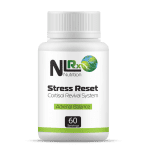
STRESS RESET Supplements

STRESS RESET is herbal and nutritional supplements designed to support adrenal function. The adrenal glands assist the body in adjusting to stress as the result of internal and external forces. So, STRESS RESET combines a number of natural ingredients to assist the body in managing the negative effects of stress and maintain health cortisol levels. STRESS RESET Supplements can aid with a variety of symptoms.

What is Adrenal Fatigue? 

The state when adrenal glands are exhausted and unable to produce adequate quantities of hormones, primarily the glucocorticoid cortisol, due to chronic stress or infections.

Causes of Adrenal Fatigue:

1. Emotional stress (#1 cause) 
2. Diet (too much sugar)
3. Insufficient sleep (body requires at least 7-8 hrs.)
4. Chemicals and Pollutants (toxins in our food, pollutants in the air, chlorine in our drinking water, antibiotics in our meat, and pesticides in our vegetables)
5. Chronic Disease (such as fibromyalgia, lyme disease, chronic pain, asthma, arthritis, diabetes.)
6. Trauma (car accident, major surgery, etc.) 

Do You Have These Symptoms?

1. Waking up extremely tired and “foggy”, even after getting a long sleep.
2.  High levels of fatigue each day.
3. Inability to handle stress
4. Cravings for salty foods
5. Higher energy levels in the evening (insomnia)
6. A weakened immune system (can eventually lead to chronic inflammation, allergies and autoimmune diseases) 
 
So, these symptoms may be clues that you have adrenal fatigue and could benefit from STRESS RESET. For more, click to learn more or purchase a 30-day supply. Stress Reset Cortisol Revival supplements >
 

Most importantly if you have questions or feel you may need something more, we also offer a Hormone Health Quiz to help identify when there’s more personalized hormone health attention needed. So, click below to take our quiz!

Hormone Health Quiz for WOMEN

Hormone Health Quiz for MEN

Follow Up Treatment:

Lab tests and meeting with the Provider should be done every 3 months. It is also recommend to eliminate hard-to-digest foods and toxins from  your diet and to have a Food Sensitivity Test completed. Adrenal Fatigue can take up to 2 years to completely heal so follow all of the Providers recommendations.

Sources:
https://en.wikipedia.org/wiki/Adrenal_fatigue ; https://adrenalfatiguesolution.com/adrenal-fatigue-symptoms/ ; https://adrenalfatiguesolution.com/causes-of-adrenal-fatigue/

Save Your Skin During the Holidays!

We’ve compiled 7 best ways to save your skin during the holidays, so you don’t have to play catch up in January. It is bad enough the credit card bills come piling in, do we also need the wrinkles and dry skin? Shopping, parties, family in town, traveling, etc. there are so many things going on this time of year, sometimes neglecting ourselves in the process and even our skin.

Healthy Skin in December

1. Wear Your Sunscreen- Even though the sun is gone, we still need to be aware of the UVA rays that are present year round. These are the rays that can cause skin cancer and premature aging.

2. If you’re stressed out, your skin will show it. I know that being “stress free” isn’t always an option but it’s important to take a time-out every once in a while. Go do some yoga, get a pedicure, a facial (call New Leaf Wellness) or just relax by the fire. We all know these things but we need to be reminded.

3. Manicures- All your running around at the malls and cooking are going to wreak havoc on your hands and nails. Mix any oil (olive, jojoba, grape seed) with a lotion or apply by itself for extra hydration to save your skin for cracking and bleeding.

4. Chapped Lips- This is when you need a Lip BALM, not a chapstick. A balm will heal your lips and a chapstick will protect your lips. Burt’s Bees is my absolute favorite.

Enjoy this post? See 5 Easy Tips for a Healthy Skincare Regimen for more ways to save your skin! >

5. Sore Feet- Peppermint is the answer. You can find it in scrubs and lotions and it will make your feet feel fantastic! Or add peppermint oil to your current favorite lotion!

6. Dry Skin-  Did you know that people with dry skin tend to age faster than those with oily skin? Yep, there is an advantage to oily skin. Keep your skin hydrated and not just your face. I’m obsessed with grapeseed oil right now so that is my go-to oil but whatever works for you is good. Just make sure you use it consistently. Those heaters can dry out our skin and make things worse.

7. Makeup- Keep it light and dewy and wash your face every night!


If you’re feeling like these tips are great, but you need more, we hear you! Take our quick assessment to understand what your skin needs!

Yes, I want to take the Free Aesthetics Health Quiz!