

Patient Testimonials Like This Are What We Strive For

At New Leaf Wellness, our mission has always been simple: to help people feel like themselves again. We believe that true wellness begins with listening, understanding, and providing personalized care that addresses the root causes of symptoms—not just the symptoms themselves. It is stories from our patients that remind us why we do what we do.

Recently, one patient shared an experience that touched our hearts:

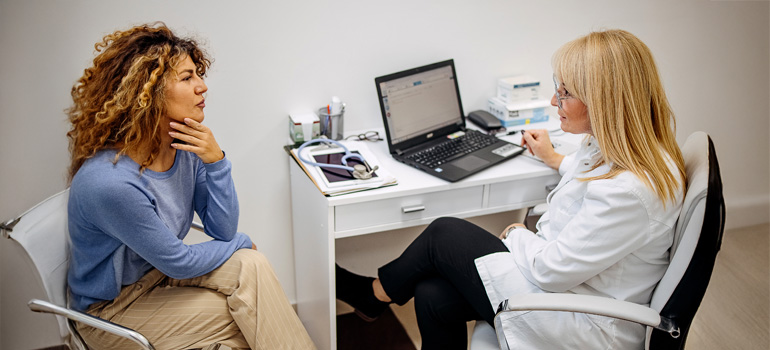
“My husband first heard about New Leaf Wellness on a podcast, and after struggling with my HRT issues for so long, we decided to give them a try. Walking through their doors, I immediately felt welcomed, comfortable, and cared for. The entire staff has been incredible, but Brenda holds such a special place in my heart. She listened, understood, and truly made me feel seen during a time when I was struggling to feel like myself.

For the first time in a long time, I finally feel hopeful and alive again. I cannot express how grateful I am for the compassion, support, and care I’ve received at New Leaf Wellness. Thank you for helping me get my life back.”

Testimonials like this are exactly what we strive for every day—including at our West Des Moines Clinic, as all of our teams are committed to creating a welcoming, supportive experience for every patient who walks through our doors.

Feel Like Yourself Again

Hormones affect nearly every part of how we feel—from energy and focus to mood, metabolism, sleep, and connection. When they become imbalanced, even simple joys can feel harder to reach.

Too often, people are told that fatigue, weight gain, mood changes, and loss of vitality are simply part of aging. At New Leaf Wellness, we believe you deserve better.

At our West Des Moines Clinic, and all our clinics, our providers take the time to listen to your concerns, understand your symptoms, and help you explore personalized options for your health and wellness journey.

Every wellness journey begins with understanding you. Through personalized testing, thoughtful conversations, and individualized treatment plans, our providers walk alongside each patient every step of the way. We never want anyone to feel rushed, overlooked, or left guessing. Instead, we strive to provide clarity, support, and compassionate care.

Personalized Care for the Whole Person

At New Leaf Wellness, we take a natural, whole-body approach to health and well-being. In addition to Natural Hormone Therapy, we offer services designed to support long-term wellness, including:

  • Advanced Weight Loss Therapy
  • Wellness Coaching and Lifestyle Support
  • Nutritional Therapy
  • Food Sensitivity Testing

All of our teams, including our West Des Moines team, is dedicated to helping patients understand their health, explore their options, and create a personalized plan based on their individual needs and goals.

Because health isn’t about treating a chart—it’s about caring for the person behind it. Our goal is to help every patient restore balance, improve quality of life, and move forward with confidence.

Compassion Makes the Difference

We’re especially grateful for our providers and every member of our New Leaf team who embody the values we hold dear. Taking the time to listen, understand, and genuinely care about our patients is what makes a difference.

There is no greater reward than hearing someone say they finally feel hopeful and alive again.

For more than 15 years, New Leaf Wellness has helped over 100,000 patients reclaim their energy, confidence, connection, and joy through personalized care and natural solutions.

To all of our patients who trust us with their health journeys, thank you. Your stories inspire us and remind us that what we do matters.

Because at New Leaf Wellness, we don’t just want to help you manage symptoms—we want to help you rediscover your life, restore balance, and truly Live Life Better.

And patient testimonials like this are exactly what we strive for.

Begin Your Wellness Journey Today

If you’re tired of feeling tired, frustrated, or unlike yourself, know that there is hope. You deserve to feel clear, confident, energized, and connected again.

Ready to take the first step? The New Leaf Wellness West Des Moines Clinic is here to help.

Visit New Leaf Wellness – Wellness Journey or call 888-728-7555 to schedule your free consultation and begin your journey toward becoming the best version of you.

New Leaf Wellness — helping you restore balance, feel your best, and Live Life Better. 🌿💚

Reigniting Intimacy: Personalized Sexual Wellness Support at New Leaf Wellness

Has intimacy lost its spark, or are you feeling less connected during those special moments? You’re not alone. At New Leaf Wellness, we understand how deeply personal these concerns can be—and how essential sexual wellness is to your relationships, confidence, and overall happiness.

Compounded prescriptions for sexual function offer tailored, holistic solutions designed to reignite desire, enhance performance, and restore closeness. Low libido, erectile dysfunction (ED), and arousal challenges affect many people, particularly with age, stress, or hormonal changes.¹ Our clean, custom-compounded options—including Oxytocin, Tadalafil, Intensity Cream, and Sildenafil—are thoughtfully designed to support sexual wellness and help you rediscover vibrant connection.

Understanding Sexual Wellness Challenges

Sexual wellness plays a vital role in emotional bonding and overall well-being. When imbalances occur, intimacy can suffer. Hormonal shifts, chronic stress, and reduced circulation commonly disrupt libido, arousal, and performance.

For men, erectile dysfunction is often linked to reduced blood flow or low testosterone and becomes more common with age.¹
For women, estrogen changes may contribute to low desire, vaginal dryness, or difficulty with arousal.

These challenges can lead to frustration or emotional distance in relationships—but they are not personal failures. They are signs that your body may need targeted, individualized support.

Recognizing symptoms such as low libido, difficulty maintaining erections, reduced arousal, or performance anxiety is the first step toward seeking compounded prescriptions for sexual function. At New Leaf Wellness, our pharmacy focuses on addressing root causes—not just masking symptoms.

How to Start Your Journey

Talking about sexual wellness can feel intimidating, but you don’t have to navigate it alone. New Leaf Wellness offers confidential consultations by phone at 888.728.7555, making it easy to explore your options in a supportive, judgment-free environment.

Our team will guide you through personalized solutions such as Oxytocin, Sildenafil, or Intensity Cream—tailored to your unique needs and goals. Many people face these challenges, and effective, clean compounds can make a meaningful difference.

Speak With Your New Leaf Wellness Provider

To access compounded prescriptions, consult your New Leaf Wellness provider. During your visit, your provider will:

  • Discuss your sexual wellness goals
  • Review your health history
  • Assess contributing factors
  • Recommend the most appropriate compound

This ensures safe, personalized care designed specifically for you.

What to Expect

  • Private support: Discreet conversations with compassionate experts
  • Tailored compounds: Custom formulations prepared based on your prescription
  • Rapid results: Many compounds work within hours
  • Ongoing guidance: Continued support for lasting intimacy and confidence

Take the First Step Toward Vibrant Intimacy

Sexual wellness is an important part of whole-body health and meaningful connection. With the right support, intimacy can be restored at any stage of life.

Take the first step today—and let New Leaf Wellness help you rediscover closeness, confidence, and connection.

Reclaiming Connection in Menopause: The Emerging Role of Oxytocin in Women’s Health

There’s been quite a bit of research recently on oxytocin and its important role in hormone optimization for women in perimenopause and menopause. Oxytocin, sometimes called the “love hormone,” has gained attention for its potential benefits beyond bonding, intimacy, and childbirth. Emerging research and clinical experience suggest that oxytocin may play a meaningful role in supporting women during these stages of life.

What is oxytocin?
Oxytocin is a hormone naturally produced in the hypothalamus and released by the pituitary gland. It regulates social bonding, trust, empathy, and sexual satisfaction, and also has important physical effects such as stimulating uterine contractions during labor and aiding in milk let-down during breastfeeding.

Oxytocin doesn’t disappear once childbearing years are over. It continues to influence mood, stress response, sleep quality, and metabolism throughout life.

Oxytocin levels during menopause
As women enter perimenopause and menopause, hormone production shifts significantly. Levels of estrogen, progesterone, and testosterone decline, and oxytocin may also decrease. Lower oxytocin levels can contribute to symptoms commonly experienced in midlife, such as:

  • Decreased intimacy or sexual satisfaction
  • Mood changes including anxiety, irritability, or sadness
  • Sleep disturbances
  • Feelings of isolation or disconnection

While oxytocin isn’t the only hormone at play, it’s part of the larger hormonal symphony, and imbalances can impact women in subtle but noticeable ways.

Potential benefits of oxytocin for women in perimenopause and menopause
Oxytocin, often compounded as a nasal spray, sublingual tablet, or oral tablet, may provide several benefits:

  • Improving mood and reducing stress: Oxytocin has calming effects on the nervous system, helping lower cortisol, the body’s primary stress hormone. Many women report feeling more grounded, connected, and content.
  • Enhancing intimacy and sexual satisfaction: For women experiencing vaginal dryness, decreased libido, or difficulty reaching orgasm, oxytocin promotes relaxation, increases blood flow, and enhances feelings of closeness and bonding.
  • Fostering communication with partners: Known as the “social bonding” hormone, oxytocin supports trust and connection, which can improve communication in relationships. Studies show couples using intranasal oxytocin discuss challenging topics with lower stress hormone levels and better understanding.
  • Supporting sleep: Oxytocin helps regulate the body’s stress response, promoting deeper and more restorative sleep—one of the most common challenges of menopause.
  • Aiding weight and metabolism: Early research suggests oxytocin may influence appetite regulation and fat metabolism, offering a promising avenue for women managing midlife weight changes.

Integrating oxytocin into your wellness plan
For women experiencing intimacy, sleep, mood, or feelings of disconnection during perimenopause or menopause, oxytocin can be a valuable option. It is not a replacement for estrogen, progesterone, or testosterone but can complement bioidentical hormone replacement therapy (BHRT) or serve as a standalone option for women who are not candidates for BHRT.

Menopause is a natural stage of life, but it doesn’t have to be endured passively. With tools like oxytocin, women can experience renewed joy in relationships, reduced stress, improved sleep, and enhanced sexual satisfaction. By replenishing this powerful “connection hormone,” women can support their overall well-being and thrive during midlife and beyond.

Holiday Stress & Hormone Health: What Your Body’s Trying to Tell You

The holidays can be joyful—but they can also leave you feeling depleted. If you’re experiencing fatigue, mood swings, or trouble sleeping this time of year, it may be more than just seasonal stress. Hormone imbalance could be amplifying how you feel.

When stress levels rise, your body produces more cortisol—your primary stress hormone. Over time, elevated cortisol can disrupt key hormone systems like estrogen, progesterone, and testosterone. This can lead to energy crashes, irritability, brain fog, and difficulty managing your weight.

If you’re feeling “off” this season, pay attention to these signs:

  • Constant fatigue, even after rest
  • Restless sleep or waking in the night
  • Mood swings, anxiety, or irritability
  • Brain fog or poor concentration
  • Weight gain around the midsection
  • Low libido or motivation

At New Leaf Wellness, we specialize in natural hormone therapy to help rebalance your body and restore your sense of well-being. Through personalized treatment plans, comprehensive lab testing, and bio-identical hormone solutions, we help you feel like yourself again—without guesswork.

Take this season as a chance to invest in your health. Start with a complimentary hormone evaluation at one of our clinics in Tulsa, West Des Moines, or Omaha—and head into the new year feeling balanced, energized, and supported.

👉 Schedule Your Evaluation Today

 FDA Removes Black Box Warning from Menopause Hormone Therapies — A New Era for Women’s Health

In a groundbreaking move, the U.S. Food and Drug Administration (FDA) announced that it will remove the black box warning from hormone therapies used to treat menopause symptoms. The black box warning—one of the most serious labels the agency can issue—had long cautioned of risks such as breast cancer, heart attack, and stroke.

FDA Commissioner Dr. Marty Makary explained that this decision reflects modern science, noting that the original warnings were based on outdated studies that no longer align with current evidence. In an editorial published in JAMA, Makary stated that newer research shows hormone therapy can be safe and even lifesaving for many women when prescribed appropriately by experienced hormone providers.

“We are going to stop the fear machine steering women away from this life-changing, even lifesaving, treatment,” Makary said at a news conference. “The FDA is taking action to remove the black box warnings from estrogen-related products. This is based on a robust review of the latest scientific evidence.”


💫 What Hormone Therapy Does

Hormone replacement therapy (HRT) is used to relieve menopause symptoms such as hot flashes, mood swings, sleep disturbances, urinary issues, bone loss, and vaginal dryness. These therapies replace estrogen and progesterone—hormones that naturally decline during menopause—and come in several forms including pills, patches, gels, and creams.

However, the key to safe and effective treatment lies in the expertise of your provider. Hormone therapy is not one-size-fits-all. Only trained, experienced hormone specialists can accurately evaluate your hormone levels, medical history, and unique symptoms to create a plan that restores balance safely and effectively.


🌸 A Shift in Perspective

For over two decades, the black box warning discouraged both women and healthcare professionals from considering hormone therapy. Now, the FDA acknowledges that the risks depend heavily on age, timing, and dosage—and that with proper evaluation and monitoring by skilled providers, therapy can offer tremendous benefits.

Women who begin hormone therapy within 10 years of menopause or before age 60 may experience significant relief and improved well-being, with far lower risk than once believed. Again, the difference comes down to working with an experienced hormone provider who understands how to tailor treatment safely to your individual needs.


🌿 Why This Matters

This decision represents more than a policy shift—it’s a moment of empowerment for women’s health. It encourages women to speak openly with knowledgeable hormone providers about safe, modern options that can restore comfort, confidence, and quality of life.

At New Leaf Wellness, we’ve long believed in the power of personalized hormone care. Our experienced hormone providers have helped countless women (and men) find renewed balance, energy, and wellness through carefully customized treatment plans. We don’t take a one-size-fits-all approach—our providers are trained to evaluate your body’s unique needs and ensure that your therapy is both safe and effective.


💚 The Bottom Line

The FDA’s removal of the black box warning marks a turning point in women’s health. It’s time to replace fear with facts and empower women to seek out safe, evidence-based care from experienced hormone professionals.

At New Leaf Wellness, we are proud to be leaders in the field of hormone health. Our expert providers combine compassion, science, and individualized care to help you feel your best at every stage of life.

🌸 If you’ve been struggling with menopause symptoms—or simply want to explore your options—come to New Leaf Wellness. Our experienced team is here to guide you safely, compassionately, and confidently.

📞 Call today to schedule your FREE consultation and take the first step toward balance and vitality.

How to Know if You Should See an Endocrinologist or a Hormone Specialist at New Leaf Wellness

When your hormones are out of balance, everything feels off — energy, mood, weight, sleep, and even relationships. But knowing who to see for help can be confusing. Should you book an appointment with an endocrinologist or with a hormone specialist?

At New Leaf Wellness, we make the process simple. Here’s a step-by-step decision guide to help you understand the difference — and why starting with us can be your most accessible first step.


Step 1: Identify Your Main Concerns

Take note of the symptoms that brought you here. Common hormone-related signs include:

  • Persistent fatigue or brain fog
  • Weight gain or loss that doesn’t make sense
  • Low libido, hot flashes, or night sweats
  • Irregular periods or trouble conceiving
  • Hair loss or thinning, new adult acne, or facial hair growth
  • Mood swings, anxiety, or trouble sleeping
  • Blood sugar spikes, frequent thirst, or constant hunger

If these sound familiar, it’s worth exploring whether hormones could be at the root.


Step 2: Understand the Role of Each Specialist

  • Endocrinologist → A medical doctor who specializes in complex or serious hormone conditions like uncontrolled diabetes, thyroid cancer, adrenal or pituitary disorders. They’re often the right fit when test results are highly abnormal or your condition requires advanced testing and hospital-based care.
  • Hormone Specialist at New Leaf Wellness → A provider focused on helping men and women restore balance through personalized hormone therapy, lifestyle guidance, and ongoing support. We treat symptoms that affect daily life — fatigue, low libido, menopause, perimenopause, and low testosterone — and offer accessible, patient-focused care.

Step 3: Use This Quick Decision Guide

Ask yourself these questions:

  1. Do I have a life-threatening or urgent condition?Severe chest pain, fainting, or dangerously high/low blood sugar → Call 911 or go to the ER.
  2. Have I been diagnosed with a complex hormone disorder?Pituitary or adrenal disease, thyroid cancer, or insulin pump management → Endocrinologist.
  3. Are my main concerns quality of life symptoms?Fatigue, hot flashes, weight gain, low libido, sleep problems → Start at New Leaf Wellness.
  4. Am I unsure, but I know I don’t feel like myself?That’s where we shine — we’ll run labs, listen to your story, create a tailored plan, and work with you all throughout your hormone journey.

Step 4: What Makes New Leaf Wellness Accessible

At New Leaf Wellness, we’ve designed our care around you:

  • Same-week or next-week appointments so you don’t wait months to be seen
  • Telehealth or phone call options for convenience and flexibility during your hormone wellness journey 
  • On-site lab testing to get answers faster
  • Transparent pricing and insurance support
  • Longer appointments so your provider truly listens

We believe hormone health should never feel overwhelming or out of reach.


Step 5: Preparing for Your Visit

To get the most from your appointment, bring:

  • A list of your current medications and supplements
  • Notes on your symptoms and when they started

This helps us create a care plan that’s specific to you.


Your Next Step: Start Here, Start Simple

If you’re unsure whether you need an endocrinologist or a hormone specialist, the safest and most accessible place to begin is right here at New Leaf Wellness. We’ll evaluate your concerns, order the right labs, and guide you toward relief.

 Don’t wait until symptoms take over your life — let us help you feel like yourself again.

👉 Call us today or book online to schedule your first appointment.

Are You Tired, Stressed, and Just Not Feeling Like Yourself? It Could Be Adrenal Fatigue.

Many people don’t realize that stress and poor health are deeply connected. If you’re constantly stressed or not getting enough rest, it can take a serious toll on your body—specifically on your cortisol levels.

Cortisol is one of over 50 hormones produced by the adrenal glands—two small but powerful glands that sit just above your kidneys. These glands play a key role in maintaining energy, managing stress, and supporting your immune system.

One of the most common things we hear from patients struggling with adrenal fatigue is:
👉 “After [a major stress or life event], I was never the same.”

That turning point often follows periods of:

  • Financial stress
  • Emotional strain
  • Infections or illness
  • Poor diet (especially sugar and processed foods)
  • Smoking or drug use
  • Unemployment or life instability

Over time, these stressors can cause your adrenal glands to struggle, leading to reduced cortisol production—your body’s main stress-handling hormone. And when cortisol levels drop, your energy, focus, and even your mood can take a hit.

Common Symptoms of Adrenal Fatigue:

  • Chronic fatigue
  • Dizziness or lightheadedness
  • Low blood pressure or blood sugar
  • Frequent headaches
  • Anxiety or panic attacks
  • Depression
  • Low libido
  • Fertility issues
  • Feeling “off” or not like yourself

💚 You don’t have to keep pushing through. If this sounds like you, New Leaf Wellness in West Des Moines and all the other locations can help. We offer cortisol testing and personalized support, including supplements designed to restore balance and help you feel like yourself again.

✨ Let us help you restore your energy, health, and vitality—naturally.

Struggling with Fatigue? Your Hormones Could Be to Blame!

Do you feel tired all the time? Older than your actual age? Lacking the energy to do the things you love?

Fatigue is a common issue, and it can stem from many causes—sleep apnea, heart conditions, anemia, infections, dehydration, poor nutrition, or lung problems. That’s why getting a thorough evaluation is crucial. But what if all your tests come back “normal” and you’re still exhausted?

Many people in this situation are prescribed antidepressants—sometimes necessary, but often not the real solution. If you’re between 35 and 55 years old, or even younger or older, a hormonal imbalance could be the true cause of your fatigue.

Hormones & Energy: What You Need to Know

While many associate low energy with thyroid issues, another major cause often gets overlooked—low Testosterone in both men and women.

✅ Men often aren’t treated until their Testosterone levels are dangerously low, and even then, they’re only offered synthetic replacements that don’t restore optimal levels.
✅ Women are rarely treated for low Testosterone at all, even though they need it—just at lower levels than men.

Why Ignoring Low Testosterone is Risky

Untreated low Testosterone can lead to:
❌ Persistent fatigue & brain fog
❌ Muscle loss & reduced vitality
❌ Increased risk of osteoporosis, dementia, and possibly heart disease

Get Your Energy Back at New Leaf Wellness in West Des Moines!

If you’re tired of feeling exhausted and haven’t found the help you need, New Leaf Wellness in West Des Moines is here for you! 🌿✨ Our expert team specializes in hormone therapy and will help you restore balance, energy, and overall well-being.

Do Men Age Better Than Women?

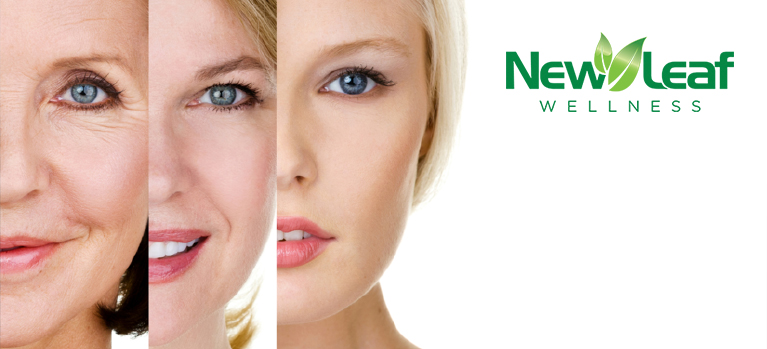
People often hold the belief that men age more gracefully than women. This perception is based on the idea that men tend to exude a sense of distinction as they grow older, while women are often perceived as looking aged. But are these notions merely old wives’ tales, or do they reflect genuine stereotypes about aging and gender?

men-aging

The differences between how men and women age are rooted in the intricate process of collagen loss. Collagen, a protein crucial for skin elasticity, experiences distinct patterns of decline in each gender. Males begin to lose collagen at an earlier stage in life and continue to do so consistently throughout their lifespan. In contrast, females retain most of their collagen until they enter the phase of hormone fluctuations associated with perimenopause and menopause. This biological phenomenon is supported by scientific evidence, underscoring the validity of these contrasting aging experiences.

The role of hormones in the aging process becomes even more evident when delving into the effects of specific hormones like androgen and estrogen. While traditionally associated with male characteristics, androgens also hold significance for women’s health. They are produced in the ovaries and adrenal cortex, eventually converting into estrogen.

Estrogen, a group of steroid hormones, plays a crucial role in developing and maintaining female body characteristics. A fascinating interplay between androgen and estrogen levels exists: declining androgen levels coincide with decreased estrogen production. This decline in estrogen is associated with a range of effects on the female aging journey:

  1. Bone Density Loss: Particularly noticeable in the facial area, resulting in a more sunken appearance.
  2. Diminished Sexual Function: A decrease in physical vitality and performance.
  3. Weight Gain: Often concentrated around the midsection.
  4. Cognitive Changes: Including a potential decline in mental acuity.
  5. Emotional Shifts: Alterations in emotional responses and behaviors.

Researchers are actively exploring the impact of androgens on aging skin, recognizing the need for a comprehensive understanding of how declining testosterone levels influence female health.

woman-aging-2

ESTROGEN

Turning our focus to estrogen, insufficient levels of this hormone diminish the body’s ability to counter oxidative stress. Consequently, the skin becomes thin, less elastic, and more prone to wrinkles, dryness, and reduced vascularity.

Interestingly, until the mid-30s, females possess around four times the amount of estrogen found in males. Estrogen contributes to:

  1. Stimulating collagen, elastin, and hyaluronic acid production helps the skin to stay plump and firm.
  2. Development of reproductive organs
  3. Growth of the uterine lining (endometrium)
  4. Sexual and reproductive function
  5. The body’s use of carbohydrates and other fats

As estrogen production wanes, so do these vital functions. While the decline in males is gradual, females experience an approximately 80% reduction in estrogen production during the first year of menopause. This estrogen insufficiency leaves the skin more susceptible to oxidative stress, leading to thinness, reduced elasticity, heightened wrinkling, dryness, and decreased vascularity.

PROGESTERONE

Another hormone, progesterone, further shapes the skin’s youthfulness by influencing collagen preservation. However, as we age, progesterone levels dwindle. This decrease commences in the late 20s, accelerates after 30, and nearly disappears by menopause.

Progesterone contributes to:

  1. Enhanced Hyaluronic Acid Production: Maintaining skin hydration.
  2. Preservation of Collagen and Elastin: Essential for skin elasticity.
  3. Involvement in Reproductive Functions: Including ovulation, menstruation, conception, and pregnancy.

The decline in progesterone leads to:

  • Menstruation stops or is irregular
  • Infertility
  • Signs of low progesterone include adult on-set acne, nails cracking, splitting, peeling, and cracking skin on your heels and hands.
  • After age thirty, most of us experience a drop in progesterone. Progesterone is partly responsible for stabilizing mood. One of the first signs of this lowered level is a mood shift.
  • Low libido, fatigue, foggy thinking
  • Slow metabolism, weight gain around the midsection, sugar cravings
  • Migraines, headaches, also joint pain, and allergy symptoms

woman-skin

In Conclusion

In essence, numerous factors intertwine to shape the aging process. Hormones certainly play a pivotal role, yet external factors also exert considerable influence. Genetics and hormonal changes are beyond our control, but lifestyle choices can mitigate their effects. Nutrition, stress management, lifestyle habits, and protection from environmental stressors like smoking and sun exposure all contribute to the tapestry of aging.

In conclusion, debunking the notion that men age better than women involves a comprehensive understanding of the intricate interplay between hormones and external factors. While hormones significantly impact the aging process, our choices and actions are equally instrumental in crafting our individual aging experiences.

menopause, Tictoc, BioTe

Embracing Food Sensitivity Test Results

Embracing Food Sensitivity Test Results: A Journey to Wellness

by guest author Rodrigo Raphael, CEO Biotrinetix Laboratory

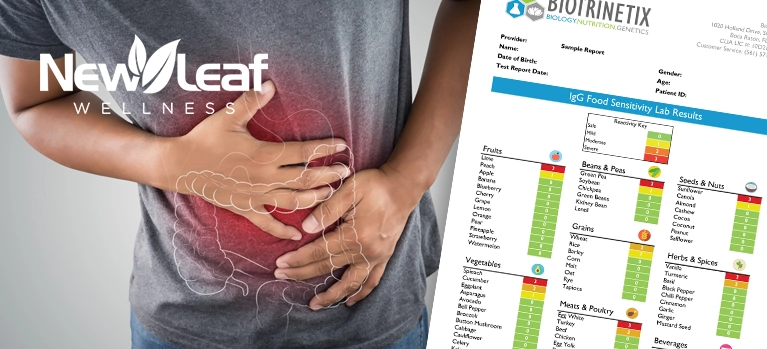
Food sensitivities can have a profound impact on our overall well-being, affecting everything from our digestive health to our energy levels and even our mood. Discovering your food sensitivities through testing can be a game-changer, allowing you to make informed choices about what you put into your body. While the prospect of adjusting your diet may seem daunting at first, following your food sensitivity test results can be a rewarding and transformative experience if approached with the right mindset. In this blog post, we will explore how embracing your food sensitivity test results is not as hard as you may think, and how preparation, a positive mindset, and letting go of emotional attachments can lead you to success on your wellness journey.

1. Shift Your Perspective
The key to making the transition to a food-sensitivity-friendly diet easier lies in shifting your perspective. Instead of dwelling on the foods you should avoid, focus on the vast array of delicious and nourishing alternatives available to you. View this journey as an opportunity to explore new culinary horizons and nourish your body in a way that promotes optimal health. Remember, you are making choices that support your well-being, and that is a cause for celebration.

2. Preparation is Key
Success in following your food sensitivity test results starts with preparation. Take the time to research and plan meals that align with your dietary needs. Create shopping lists and keep your pantry stocked with ingredients that you can turn to when cooking or preparing snacks. With a bit of preparation, you’ll find it much easier to stick to your new dietary guidelines without feeling overwhelmed.

3. Letting Go of Emotional Attachments
Food is often associated with emotions, memories, and comfort. Letting go of emotional attachments to the foods you used to enjoy can be challenging, but it is an essential step towards embracing your food sensitivity results. Instead of feeling deprived, remind yourself of the positive changes you’re making for your health. Seek comfort in new recipes and the joy of discovering flavors that are both delicious and nourishing.

4. Seek Support
Remember, you don’t have to embark on this journey alone. Seek support from Biotrinetix, friends, family, or online communities and individuals with similar dietary needs. Sharing experiences, tips, and recipes can make the transition feel less isolating and more empowering. Surround yourself with a positive support system that encourages and celebrates your commitment to your well-being.

5. Focus on the Positive
Rather than focusing on the reactive foods on your test results, concentrate on the vast array of foods that you can still enjoy without any adverse reactions. Celebrate the fact that you are taking charge of your health and making choices that align with your body’s needs. As you start to feel the positive effects of your dietary changes, you’ll find that the sacrifices are well worth it. Following your food sensitivity test results doesn’t have to be as hard as it may initially seem. With a positive mindset, preparation, and support, you can embrace this journey toward improved health and well-being. Letting go of emotional attachments to certain foods and focusing on the abundance of nourishing alternatives will make the transition smoother and more enjoyable. Remember, you are making choices that prioritize your health and vitality, and that is a powerful step towards a happier and healthier you. So, go forth with confidence, and may your food sensitivity journey be one of growth, discovery, and wellness.