Hormones & Food in Omaha, NE

Weight gain, pain, and fatigue are just a few symptoms of hormonal imbalances. If you found this blog post, then you probably have a pretty good understanding of the importance of hormones and how they can affect your day-to-day life. Or maybe you are experiencing some imbalances and want to do something about it. Hormones & Food education can be found at our New Leaf Wellness clinic in Omaha, NE. What if there was a way that you could help with your imbalance symptoms while you’re doing something everyone does every single day? Eating. More specifically, your daily food choices.

How Food Choices Affect My Hormones

“Food can affect the production and secretion of hormones by direct actions on the gut, by nervous reflexes, through changes in the concentration of various metabolites in the blood, or secondary to changes in circulating gut hormone levels.” PubMed

The food you eat can impact the amount of certain hormones that are made in your body and how much those hormones are dispersed. We can manipulate some of these hormones through specific foods. But what foods should you be looking for?

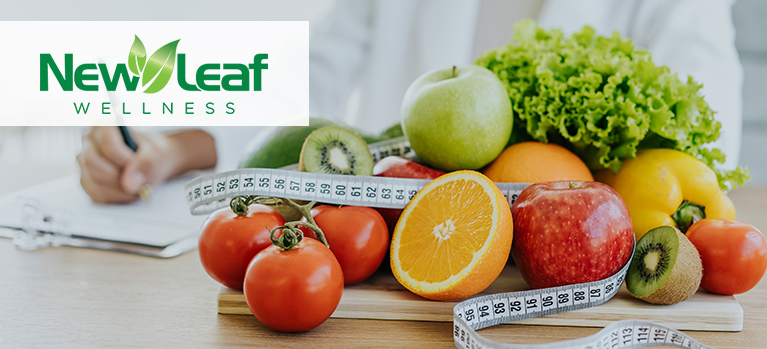
The first items you want to put in your shopping cart are cruciferous vegetables. Cruciferous vegetables include broccoli, cauliflower, brussels sprouts, kale, cabbage, and bok choy. These veggies help our livers metabolize estrogen and protect us from estrogen-dominant cancers. It really does pay to eat your vegetables, kids.

Carbs or No Carbs

Another thing you’ll want to look for is high-fiber carbohydrates. A good rule of thumb is the “half/fourth rule.” Half the meal is full of nonstarchy vegetables, and a fourth of the meal is starchy vegetables like potatoes or whole grains. A high-fiber diet can help clear out some excess hormones from your body, along with regulating melatonin and cortisol. So grab some carrots, sweet potatoes, and squash to that shopping cart too.

Finally, let’s talk about fat. Fat and cholesterol are the building blocks of hormones. It is important to stock up on fats high in omega-3s. Some foods that include healthy fats are salmon, albacore tuna, walnuts, flaxseeds, olive oil, chia seeds, and avocados.

Small life changes like choosing what foods to eat can affect how your hormones interact with the rest of your body. And they’re not even gross or obscure dishes that are impossible to find. Most likely you have some of these ingredients in your kitchen already. If you need some starting ideas, try looking up some healthy recipes including any of the foods listed above. Help your taste buds and your body! For more help, go to New Leaf Wellness, Omaha, or one of the other New Leaf Wellness clinics near you.

Click here to learn more about Hormone Replacement Therapy: Women | Men

menopause, Tictoc, BioTe

Avoiding Ultra-Process Foods

WHAT ARE ULTRA-PROCESSED FOODS?

Many people suggest we avoid ultra-processed food and choose whole foods instead. What are ultra-processed foods? According to Harvard Health, food processing often involves adding ingredients like sugar, salt, fat, artificial colors, preservatives, flavors, and/or stabilizers, so these processed products are “made mostly from substances extracted from foods, such as fats, starches, added sugars, and hydrogenated fats.” In other words, it feels like a bit of a stretch to call them food in the first place.

AMERICAN DIET

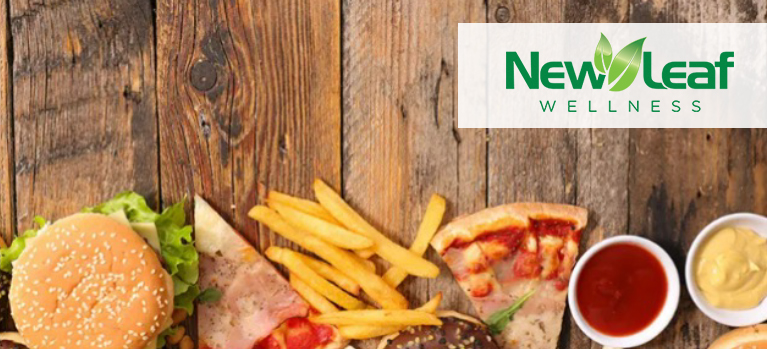
Unfortunately, the typical American diet (and grocery store) is chock-full of these products, from cookies and crackers to frozen meals and sugar-packed sodas.

One 2022 report noted that a whopping 73% of the U.S. food supply can be considered ultra-processed—partially because these “Frankenfoods” are much more profitable for manufacturers, costing on average 52% less than minimally processed options. However, for the humans consuming them, they have many impacts that are far from positive—in fact, they’re downright health-destroying. Let’s look at just some of the ways in which they harm the entire human body, over both the short and long term.

EATING HIGHLY PROCESS FOODS CAN BE ADDICTIVE

One study, published in late 2022 in the journal Addiction, evaluated these foods according to the criteria established when researchers examined the impacts of tobacco in the 1980s. The findings noted that these addictive hallmarks include:

  • Loss of control over intake, such as seen with compulsive or binge eating
  • Intense cravings, or strong urges that are difficult to resist
  • Inability to reduce consumption—for example, eating even when not hungry
  • Continued use despite negative consequences, including serious health concerns like obesity

The study estimated that roughly 14% of adults and 12% of children exhibit signs of food addiction.

EATING HIGHLY PROCESS FOODS MAY INCREASE THE RISK FOR COGNITIVE DECLINE

We already know that high-glycemic, low-fiber foods and other nutritionally empty culprits, are potential memory destroyers. More specifically, a study presented at the 2022 Alzheimer’s Association International Conference, published in JAMA Neurology and reported by CNN, stated that consuming more than 20% of the daily calorie intake (that is, 400 calories of a 2,000-calorie diet) via ultra-processed foods may increase the risk for cognitive decline. This decline occurred at a rate of 28% faster among men and women who consumed large amounts of these foods, and they also experienced a 25% faster decline in executive function. Unfortunately, many Americans consume far more than 20% of their daily calories in ultra-processed foods, with one 2017 study reporting that number at 57.5% among its survey participants.

HIGHLY PROCESSED FOODS BOOST THE ODDS OF EXPERIENCING MENTAL HEALTH ISSUES

A 2022 review of 17 studies researched the links between processed foods and mental health disorders. The findings stated that “greater ultra-processed food consumption was cross-sectionally associated with increased odds of depressive and anxiety symptoms” and “was associated with increased risk of subsequent depression.” Correspondingly, another study from 2020 found that participants whose ultra-processed food intake made up more than 73% of their total energy intake had a 35% higher risk of depressive symptoms, compared with those who consumed 34% or less of their total calories from ultra-processed foods. Clearly, there is a reason why the Standard American Diet spells SAD!

EATING ULTRA-PROCESSED FOODS HAS BEEN LINKED TO INCREASED PHYSICAL HEALTH RISKS

In 2019, two large European studies were published in The BMJ. These studies established a positive association between eating highly processed foods and the risk of cardiovascular disease and even death. The first study, from NutriNet-Santé, surveyed 105,159 French adults (79% of whom were female, with an average age of 43 years). The conclusion was that a “10% increase in the proportion of ultra-processed food in the diet was associated with significantly higher rates of cardiovascular disease, coronary heart disease, and cerebrovascular disease (an increase of 12%, 13%, and 11%, respectively).” Meanwhile, a diet higher in unprocessed or minimally processed foods is correlated with a lower risk of all these health issues.

The second study investigated the link between eating ultra-processed foods and the risk of death from any cause. Like the first study, it surveyed participants over 10 years. The BMJ results demonstrated that “higher consumption of ultra-processed foods (more than 4 servings per day) was associated with a 62% increased risk of all-cause mortality compared with lower consumption (less than 2 servings per day). Each additional daily serving of ultra-processed food is correlated with an 18% relative mortality risk increase. These two studies point to possible links between Frankenfoods and poorer quality of life. More research is needed to establish cause and effect.

WHICH ULTRA-PROCESSED FOODS ARE THE WORST?

Though eating anything that fits into the ultra-processed or highly processed categories interferes with optimal full-body health, researchers have hypothesized that certain foods are more likely to trigger addictive-like behaviors. For example, a pair of studies from 2015 compared the making of these toxic food products to the processing that transforms a coca leaf into cocaine—in other words, both have been altered to speed up absorption into the bloodstream.

Ultra-processed foods have large glycemic loads. Glycemic load relates to the food’s dosage of refined carbohydrates and the resulting blood sugar spike. A 2018 study noted that carbs with a high glycemic index “elicit a rapid shift in blood glucose and insulin levels, akin to the pharmacokinetics of addictive substances.” Like with other commonly abused drugs, glucose and insulin levels influence dopamine concentration, so sugar creates cravings and addiction. Accordingly, the these studies referenced above pointed to high-glycemic-load foods as the worst offenders.

15 ULTRA-PROCESSED FOODS TO AVOID

Some of the worse ultra-processed foods that you should nix from your diet include the following 15 nutritional disasters:

  1. Processed meats (sausages, hot dogs, and deli meats)
  2. Sugary breakfast cereals
  3. Sodas and energy drinks
  4. Frozen pizzas
  5. Mashed potato flakes
  6. Packaged cookies
  7. Blended coffee drinks and flavored creamers
  8. French fries
  9. Pretzels
  10. Baked goods
  11. Candy
  12. Instant noodles
  13. Flavored chips and cheese puffs
  14. Processed cheese sticks
  15. Barbecue sauce

FINDING THE BEST OPTIONS AMONG PROCESSED FOODS

Researchers at Northeastern University have created an online tool that rates foods. This online tool rates foods within the same product category on a scale from 1-100 from least processed to ultra-processed. For example, in the “Spread & Squeeze” category, Whole Foods’ 365 brand almond butter scores 5/100 while the same brand of “Cookie Butter” spread is rated at 77/100. This tool can help us make better food choices.

Whole foods, of course, may contain sugar (like you’d find in fruit). Whole foods also contain fiber, protein, and water, making it slower to hit the bloodstream and do not cause that same feeling of a sugar rush. Stick to unprocessed or minimally processed foods in the produce section, such as nuts or legumes. Unprocessed foods promote maximum health and longevity over the long haul.

Finally, for more help in taking control of your health, New Leaf Wellness has a dedicated Wellness Coach. Join wherever you are via Zoom & save yourself from High Healthcare costs. Sign up for our online or in-person consultation services and receive personal attention! FREE 20-minute First session!

WELLNESS COACHING CAN HELP WITH:

  • Weight loss
  • Stress reduction
  • The management of chronic conditions
  • Improving diet and exercise
  • Preventive care and wellness
  • Illnesses and injuries prevention education
  • Disease management
  • Multi-cultural Workplace Wellness
  • And so much more!

Are you tired…feeling sluggish? Has your get up and GO …. GONE?
Contact New Leaf Wellness and schedule a FREE 20-minute session with a Wellness Coach by emailing healthcoach@newleafcenters.com.

Weight Loss vs. Bloating

Do you really need to lose weight or could it be something else?
Watch this video to learn more about Weight Loss vs Bloating.

Continue reading “Weight Loss vs. Bloating”

Weight Loss with Dr. Samuel Augustus

Watch this video to learn about Weight Loss the New Leaf way.

Continue reading “Weight Loss with Dr. Samuel Augustus”

Support Weight Loss with B12 & MIC

Supporting Weight-loss with B12 & MIC

Whether you’re just starting B12 & MIC or considering them to support your weight-loss journey, we’ve got what you need. Our goal at New Leaf Wellness is to help you make the best decisions regarding your health and wellness.

First – what is B12?

Vitamin B-12 plays an essential role in red blood cell formation, cell metabolism, nerve function, and the production of DNA, the molecules inside cells that carry genetic information. The body of evidence in support of these claims is substantial. But, perhaps the best proof of B12’s superpowers is what happens when it is not adequately present in the body. Individuals with known B12 deficiencies or those prone to a potential deficiency due to lifestyle must supplement vitamin B12. Failure to do so may lead to a variety of health issues including anemia, fatigue, muscle weakness, intestinal problems, nerve damage, and mood disturbances, to name a few examples. Vitamin B-12 deficiency is not super common in the U.S.; however, vegetarianism or veganism is increasingly so. Unfortunately, the parameters of plant-based diets restrict individuals from the very foods where B12 is naturally occurring – mainly, fish, poultry, meat, eggs, and dairy products.

Deficiencies are also seen in older adults and people with digestive tract conditions or pernicious anemia. These individuals can receive an injectable form of the vitamin, which altogether bypasses the gastrointestinal tract. B12 injections (Boost Program) are more readily absorbed in the body and do not have to be administered as often as oral tablets. As a result, injectable B12 has become a popular choice for anyone seeking B12 supplementation, not just those with poor digestive health.

What is B12 + MIC? Or the Boost Program?

The full formula and the roles of its various components are as follows:

  • B12 is a water-soluble vitamin involved in the metabolism that helps the body use fat & carbohydrates for energy & to make new protein
  • Methionine is an essential amino that speeds up fat removal within the liver & neutralizes toxins, promoting lean muscle growth
  • Inositol is an essential amino that plays a critical role in metabolic function
  • Choline is an essential nutrient that helps to regulate memory, mood, muscle control & many other functions

This combination is most effective when used as part of a healthy lifestyle, including a balanced diet and regular exercise. B12 & MIC can help support energy levels, help build lean muscle mass, and even help initiate modest weight loss. For some, it can help to jump-start weight loss.

Patients looking to help push beyond a sticking point in their health goals, short-term B12 & MIC use might be appropriate. For others looking for a longer-term solution, the B12 & MIC formulation can be a regular tool in an arsenal of weight management strategies.

As stated previously, B12 & MIC is likely to be most effective when used as part of a healthy lifestyle, including a balanced diet and regular exercise. Supporting Weight-loss with B12 & MIC are fine to use short-term or long-term, depending on your health goals. You should discuss B12 & MIC or the Boost Program use with your provider at New Leaf Wellness, Omaha, NE and the other New Leaf Wellness clinics and develop a plan that is right for you.

Note: The above statements have not been evaluated by the Food and Drug Administration. This product is not intended to diagnose, treat, cure, or prevent any disease.

Click for more information on B12: For Women | For Men

menopause, Tictoc, BioTe

What is Hormone Imbalance?

What is Hormone Imbalance?

Hormone imbalance is a common health condition that affects millions of people, including those in North Liberty, IA. Hormones are responsible for regulating many essential functions in the body, including weight, metabolism, energy, mood, and libido. When the levels of these hormones are out of balance, it can cause a wide range of symptoms that can impact a person’s overall health and well-being.

If you’re experiencing symptoms of hormone imbalance, it’s important to seek treatment to restore balance and improve your quality of life. In this blog, we’ll explore why North Liberty, IA patients should choose New Leaf Wellness for hormone imbalance

Hormones play a crucial role in regulating various bodily functions, such as metabolism, mood, energy, and libido. However, when the delicate balance of hormones in your body is disrupted, it can lead to a host of unpleasant symptoms and health issues.

Hormone imbalance is a common condition that affects both men and women of all ages. Factors such as stress, aging, and environmental toxins can disrupt the normal production and distribution of hormones in the body, leading to a range of symptoms.

Some common symptoms of hormone imbalance include:

  • fatigue
  • weight gain
  • mood swings
  • hot flashes
  • low libido
  • depression
  • anxiety

These symptoms can significantly affect your quality of life and make it difficult to perform daily tasks and activities.

Testing & Treatments

If you are experiencing any of these symptoms, it is essential to seek treatment from a reputable and experienced healthcare provider. Above all, New Leaf Wellness is a leading wellness clinic in North Liberty, IA, that specializes in hormone replacement therapy and other natural treatments.

At New Leaf Wellness, we offer comprehensive hormone testing and personalized treatment plans to address your unique needs and symptoms. Our team of experienced and compassionate healthcare professionals will work closely with you to determine the root cause of your hormone imbalance and develop a tailored treatment plan to restore balance to your hormones.

Our hormone replacement therapy treatments use bio-identical hormones. These hormones are identical in structure and function to the hormones produced naturally in your body. This approach ensures that your body can easily recognize and utilize the hormones, altogether leading to optimal results with minimal side effects.

In addition to hormone replacement therapy, we offer other natural treatments such as Food Sensitivity Testing, supplements, and lifestyle modifications. These treatments support your overall health and wellbeing.

New Leaf Wellness in Omaha Cares

At New Leaf Wellness, we are committed to providing the highest quality care and support to our patients. We understand the impact that hormone imbalance can have on your life, and we are dedicated to helping you achieve optimal health and wellness.

If you are experiencing symptoms of hormone imbalance, we encourage you to schedule a consultation with our team at New Leaf Wellness. Personalized treatment and commitment to patient care make us the premier hormone therapy clinic in North Liberty, IA and our other locations. Don’t let hormone imbalance affect your quality of life – contact us today to learn how we can help!

Click for more information on Hormone Imbalance: For Women | For Men

Adrenal Dysfunction Leads to Weight Problems

Adrenal Dysfunction Leads to Weight Problems

There are several mechanisms by which Adrenal Fatigue or a stress response dysfunction can lead to weight problems.

The majority of these problems lead to weight gain. Patients who lose weight and have difficulty keeping it off are also a smaller percentage.

Common Reasons for Adrenal Fatigue Weight Gain

1) The ability or inability to convert food into a universal form of energy in the body (my definition of metabolism) is compromised.

2) A suppressed thyroid

3) Cortisol (an adrenal stress hormone) makes you gain and hold onto fat.

Suppressed Metabolism Due to Adrenal Fatigue

Simply put, we are all designed to eat food, digest it, absorb it, and convert the smaller bits into a universal form of energy (ATP). We then use this energy to make our body perform tasks like thinking, walking, breathing, and self-repair. Everything is dependent on this energy.

Mitochondria convert these foods into ATP through metabolic processes. Eventually, overactive stress physiology significantly damages the mitochondria. The adrenals and thyroid work together to regulate this process.

Our metabolic process is compromised — in one way or another — when our body is in an active stress response. Sooner or later, this metabolic pattern remains when there is chronic stress; even when the stressors are removed.

Balance the Adrenals to Balance Your Weight

The adrenals act as the oil and gas in your engine — the thyroid. If you crank up the engine without paying attention to the oil and gas, you will eventually cause trouble.

It may not be for a couple of months or even a couple of years, but that engine will eventually run out of oil and gas completely, leaving you to break down again.

A sustainable solution would be to treat the adrenal problem first. Fill up the oil and gas, the thyroid will likely kick back in on its own.

Chronic Stress Leads to Adrenal Fatigue

Over time, chronic stress can overwhelm the adrenal capacity for stress. The adrenal glands produce elevated stress hormones — like cortisol — during the initial stages of stress response and Adrenal Fatigue.

The cortisol is an appropriate response to the fight or flight stimulation. During fight or flight, we would need fuel. And the major fuel of the body is glucose.

Eating food to provide glucose in an emergency situation would be too slow of a process. So, the body has developed a storage form of glucose called glycogen.

Cortisol stimulates the liver and fat cells to convert this glycogen back into glucose and release it into the bloodstream. This is when your body can use it as fuel to fight the proverbial tiger (i.e. dealing with your boss, traffic, social media, the news — you get the idea).

Weight Gain and Insulin Resistance

In a fight or flight situation, your body detects an increase in glucose levels.

Insulin is then released by the pancreas in response to the elevated blood sugar, to assist in getting the glucose out of the blood. If there were an actual tiger to fight or to run from, you would burn off this excess blood sugar.

But if there is no tiger to run from, the excess sugar in the blood can cause damage.

The primary mechanism insulin uses to lower blood sugar is to escort and open the door for the sugar to get into the individual cells.

Cells, however, will hold the door to the cell closed if they already have sufficient fuel or sugar. The cells become “resistant” to insulin.

During insulin resistance, the pancreas produces increasing amounts of insulin to get the sugar out of the blood into the cells.

If the cells will not take in any glucose, the insulin then converts the glucose into a triglyceride: a molecule of fat plus sugar.

The body then stores the triglyceride as fat in the body for use at a later date. Typical storage sites for fat include the hips, thighs, and abdomen.

The Most Dangerous Fat Caused by Weight Gain

Fat in the abdomen is sensitive to cortisol. It is the preferred target for the storage of triglycerides during stress. Increased triglyceride in abdominal fat leads to an increase in the size of fat cells in the abdomen. Additionally, this leads to increased belly fat.

Research shows that abdominal fat is the most dangerous location for fat deposition.

Insulin resistance is also called Metabolic Syndrome. This increases the risk of cardiovascular disease and diabetes. The pancreas has a limited capacity to produce insulin and can become “exhausted.” The exhausted pancreas cannot produce adequate amounts of insulin to handle the glucose in the blood. Blood sugar rises, because of limited insulin to manage it. This is the leading cause of diabetes.

Bottom Line on Weight Gain

Ultimately, there are only two ways to raise blood sugar and gain bodyweight

• overeating food (especially sugar and carbs)

• getting “stressed”

Stress will increase cortisol, and cortisol increases sugar.

How to Reverse Adrenal Fatigue Weight Gain Woes

Adrenal Fatigue involves several systems of your body. It is important to give your body time to heal and turn off its overactive stress response.

Here’s the goal, in a nutshell:

• Get your cortisol back in line. Manage your stressors and improve your resilience to stress by understanding how your body works and interacting with it.

• Stop suppressing the engine of your body (thyroid) by staying stuck in a stress response. You must rewire your system so that it chooses calm over stress.

• Eat a hypoglycemic diet (or what is called a “Stress-Less Diet”). By doing this, you keep your sugar and carb levels low. If your weight doesn’t want to budge, you can look at your sugar and carb intake and cut it in half again. That usually does the trick.

The Next Step in Adrenal Fatigue Weight Gain

  • Over one-third of Adrenal Fatigue patients state that their weight is one of their primary concerns. Healing Adrenal Fatigue effectively and regulating cortisol and stress are the key factors in weight maintenance.

Decreasing Inflammation

Watch this video to learn more about DECREASING INFLAMMATION for:

Increased Energy and Vitality

Improved Digestive Health

Increased Sex Drive

Better Sleep

Improved Mood

Enhanced Immune Function

Improved Skin Health

Continue reading “Decreasing Inflammation”

Menopause RELIEF in Omaha, NE

Menopause is a natural biological process that happens in women and her hormone levels, specifically estrogen, progesterone and testosterone decline. The transition to menopause can take several years for women everywhere including in Omaha, NE, and the symptoms associated with it can vary greatly from woman to woman.

Symptoms of menopause can include hot flashes, night sweats, vaginal dryness, mood changes, and difficulty sleeping. These symptoms are caused by the decrease in estrogen levels and can last for several years. Some women experience more severe symptoms than others, and the duration of symptoms can vary as well. Other symptoms are low libido and loss of muscle mass caused by the decrease of testosterone. And the reduced level of progesterone can cause loss of sleep and mood swings just to name a few!

While menopause is a natural part of the aging process, it can be challenging for many women to navigate. It can also have an impact on a woman’s overall health. Estrogen plays a role in bone health, and the decline in estrogen levels can lead to an increased risk of osteoporosis. Women also have an increased risk of heart disease after menopause. Testosterone plays a role in sex drive, muscle mass, energy and mood and progesterone plays a role irregular menstrual cycles, weight gain, and bloating. So all 3 of these hormones are important for females to keep healthy even through menopause.

There are several treatment options available for women experiencing menopausal symptoms. Hormone replacement therapy (NHT) is one option that involves taking estrogen, testosterone and progesterone to replace the hormones that are no longer being produced by the ovaries. NHT can help alleviate symptoms.

Non-hormonal treatments are also available for menopausal symptoms. These include lifestyle changes such as eating a healthy diet, getting regular exercise, and managing stress. There are also NLRX Nutrition Supplements & compounding formulations from New Leaf Specialty Pharmacy available that can help with specific symptoms, such as Stress Reset for mood changes and low-dose vaginal estrogen for vaginal dryness.

It’s essential for women to talk to the provider at New Leaf Wellness about their symptoms and treatment options. Each woman’s experience with menopause is unique, and treatment should be tailored to her individual needs and health history.

In conclusion, menopause is a natural part of the aging process for women. While it can be challenging to navigate, there are treatment options available to alleviate symptoms and reduce the risk of health complications. Women should talk to their provider at New Leaf Wellness, Omaha, NE and the other New Leaf Wellness clinics about their options and develop a plan that is right for them.

Addressing Libido in Omaha

Libido is an important aspect of overall health and well-being. It refers to a person’s sexual desire or drive and can be affected by a variety of factors, including hormone levels. At New Leaf Wellness Clinic based in Omaha, NE, we recognize the importance of addressing libido concerns for our patients and offer personalized treatment options to help restore sexual vitality.

How Does Oxytocin Benefit Your Health?

Hormones play a significant role in regulating libido. In men, testosterone is the primary hormone responsible for sexual desire, while in women, a combination of testosterone, estrogen, and progesterone contributes to libido. As we age, hormone levels naturally decline, which can result in a decreased sex drive.

However, hormonal imbalances can also occur in younger individuals, which can lead to low libido.

Symptoms That Affect Libido

There are many symptoms that can affect a person’s libido or sex drive. Here are some common symptoms that can impact libido:

  1. Physical illnesses
  2. Certain medications
  3. Stress and anxiety
  4. Lack of sleep
  5. Relationship issues
  6. Age
  7. Menopause and pregnancy
  8. Body image issues

Firstly, it is important to address any symptoms that may be affecting libido in order to improve overall sexual health and wellness.

Addressing Libido Concerns at New Leaf Wellness, Omaha, NE

At New Leaf Wellness, hormone therapy is used to address a variety of concerns, including low libido. After a thorough evaluation and testing, personalized treatment plans are developed for each patient to address their specific hormone imbalances.
The use of testosterone replacement therapy (TRT) may be recommended for men with low testosterone levels. This treatment involves dosing the correct level of testosterone for the best care of our patients and their testosterone levels to improve sexual desire. TRT can also help to improve other symptoms associated with low testosterone, such as fatigue and mood swings.

Natural hormone replacement therapy (NHT) may be recommended for women. To address hormonal imbalances and improve sexual desire, NHT uses hormones, including estrogen, progesterone, and testosterone. NHT can also help to improve other symptoms associated with menopause, such as hot flashes and vaginal dryness.
In addition to hormone therapy, New Leaf Wellness also offers other treatments to address libido concerns, such as PT-141, Oxytocin, and compounded Sildenafil or tadalafil medications. These treatments use non-invasive techniques to improve blood flow and stimulate tissue growth, leading to improved sexual function and desire.

Conclusion

In Omaha, NE, New Leaf Wellness prioritizes addressing concerns related to sexual desire as part of overall health and well-being. Through personalized hormone therapy and other treatments, New Leaf Wellness can help its patients restore sexual vitality and improve their quality of life. In conclusion, if you are experiencing concerns related to low libido, schedule a consultation with New Leaf Wellness to explore your treatment options.