

FEEL AMAZING AGAIN…OPTIMIZE YOUR HORMONES

By Brenda Lee Herrod, APRN, MSN, WHNP-BC

PART I

Do you suffer from brain fog? Do you complain of anxiety and have endless nights without sleep, resulting in a lack of energy, fatigue, and mood swings? Are you frustrated from gaining fat around the midsection and losing muscle, no matter how well you are eating, or how hard you are working out? How is your libido? Many women (and men too) suffer from these symptoms, as well as hot flashes, incontinence, vaginal dryness, accelerated skin aging, and joint pain. They are discouraged when told that it’s just “midlife changes” and to deal with it.

You don’t have to live with it and continue to suffer. There are options available. If you have decreased hormone production and some of the before-mentioned symptoms, I strongly recommend checking into bioidentical hormone therapy to optimize your hormones. Age-related decline in hormone production is one the most common causes of hormone imbalances. Poor nutrition, lack of sleep, stress, and lifestyle choices can also cause hormonal issues and make you feel like “crap.” In our early 30’s our hormones start diminishing and continue to plummet as we age, especially by the time we are in our 50’s and 60’s. Chronic disease can develop if left untreated. Restoring your hormones can actually slow down the aging process and prevent issues like cardiovascular disease, which is the number one cause of death in men and women. Other health issues that can result from low hormones are Alzheimer’s disease, osteoporosis, diabetes, and likely breast cancer.

Often the biggest fear that people have is that hormones can cause cancer. Cancer is not caused by hormones. The elderly have the greatest risk for cancer and they have the lowest level of hormones, while twenty-year-olds have the highest levels of hormones and a much lower risk of cancer. The important part is the type of hormones, the safest dose, route of administration, and having a provider closely monitor your labs, as well as the patient’s individual symptoms. It is essential and the best practice to treat patients on symptoms they are experiencing, as well as doing frequent lab work to monitor blood levels.

Bioidentical hormones are structurally identical at the molecular level to those naturally produced by our bodies and are made from wild yams. Synthetic hormones are derived from animal parts or urine and have a different molecular structure than what our body produces. Biodentical replacement therapy can be a part of a personalized health management program, but only when administered by providers specializing in natural hormone replacement therapy. These hormones include estrogen, progesterone, and testosterone.

STAY TUNED FOR PART 2 OF THIS ARTICLE COMING IN JANUARY!
In the meantime, you can use the form below to…
Schedule a free consultation to learn more about bioidentical hormones and how they can help you!

REFERENCES
Gray, Stephanie. Your Longevity Blueprint, Advantage Media Group, 2017.
Donovitz, Gary, and Cotten, Mandy. Breast Cancer Incidence Reduction in Women Treated with Subcutaneous Testosterone: Testosterone Therapy and Breast Cancer Incidence Study. European Journal of Breast Health (2021): 17, 2. 150-156.
Donovitz, Gary. Testosterone Matters… More! The Secret to Healthy Aging in Women, Wheatmark Publishing, 2020.
Sieman, Robert S. Live Life Better with Natural Hormone Therapy, New Leaf Wellness, 2017.

SYMPTOMS RELATED TO HORMONE IMBALANCE

Are you experiencing symptoms like WEIGHT GAIN, DIFFICULTY SLEEPING, or DECREASED ENERGY?
Frequently related to these symptoms is…hormones!

HORMONES
Hormones play an important role in our overall wellness. They are part of the endocrine regulatory system and secreted by endocrine glands acting as messengers to trigger or subdue parts of our body. Hormone-sensitive target cells in tissues and organs make changes when exposed to hormones. The hormones are broken down or metabolized slowly, but function in very powerful ways. Even tiny amounts cause big changes, controlling and coordinating activities throughout cells, organs, or even our whole body. These changes control most major bodily functions from basic needs like hunger to complex systems like metabolism, growth and development, reproduction, and even emotions and mood.

Major endocrine glands: pituitary, pineal, thymus, thyroid, adrenal glands, pancreas, ovaries, and testes.

Hormones you may have heard of: thyroid, insulin, cortisol, estrogen, progesterone, and testosterone.

HORMONE IMBALANCE
Starting as early as age 25-30, our hormone levels can start to change becoming imbalanced and producing effects like weight gain, insomnia, fatigue, lack of energy, mood fog, anxiety, and depression. Often a hormone imbalance goes unrecognized. We might just identify the symptoms and chalk it up to getting older or being stressed and might possibly take medications to treat individual symptoms. These symptoms and more are why too much or too little of a certain hormone can be serious.

Schedule a free consultation if you are experiencing any of these symptoms.

VITAMIN INJECTIONS FOR ENERGY AND METABOLISM

Have you ever noticed that when you eat poorly, you feel tired and worn out? And then when you start to make healthy food choices, you feel more energetic and able to accomplish more? This is because our bodies respond to the nutrients (or lack of nutrients) in the food we eat. So when you switch from eating fast food and begin eating wholesome, home-cooked meals, you’re giving your body more of what it needs to function efficiently.

Now imagine: what if you could take some of those wholesome nutrients from your home-cooked food and inject them directly into your body? You’d probably feel pretty darn good, right? Well, that’s exactly what vitamin injections do. They provide you with the nutrients that aid in the optimal functioning of your body.

VITAMIN INJECTIONS AT NEW LEAF WELLNESS SUPPORT WEIGHT LOSS
What does this mean for weight loss? Sometimes, when diet and exercise alone don’t produce results, it’s because the body does not have everything it needs to work properly. So no matter how little a person eats or how many hours they spend on the treadmill, the weight still won’t come off. Or maybe that person just can’t seem to muster the energy needed to even get to the gym. Often, vitamin deficiencies are to blame. And at New Leaf Wellness, we’ve found that in many cases, vitamin injections are the key to reaching weight loss goals.

VITAMIN C INJECTION FOR THE IMMUNE SYSTEM AND FAT BURNING
Vitamin C helps keep your immune system healthy, and it can also help you burn body fat during moderate exercise.

VITAMIN B6 INJECTION FOR STRESS REDUCTION AND HORMONE BALANCE
Vitamin B6 aids in stress reduction and helps keep your hormones in balance. In addition, it helps your body extract nutrients from food. So if you’re counting calories and eating a small lunch, vitamin B6 will help make sure you get the most out of every chickpea and green bean in your salad.

VITAMIN B12 INJECTION FOR ENERGY AND LOSING WEIGHT
Vitamin B12 is the energy vitamin. When you’re low on B12, you’re going to be low, period. If mustering the energy to get outside for a bike ride is your biggest challenge, vitamin B12 injections might be exactly the right next step on your weight loss journey.

VITAMIN B-COMPLEX INJECTION FOR CHOLESTEROL AND METABOLISM
All the B vitamins at once? Yes! The benefits of B-complex injections include increasing your good cholesterol and lowering the bad, metabolizing fats and carbohydrates into energy, protecting the immune system, and providing anti-aging effects.

WEIGHT LOSS INJECTIONS MIGHT BE THE KEY TO WEIGHT LOSS
Weight Loss Specialists at New Leaf Wellness, we specialize in weight loss, and if you’re struggling to lose weight, we can help. Our individualized programs include cutting-edge weight loss technology and one-on-one support by qualified and certified weight loss experts. Contact us by calling 888-728-7555. Let us help you reach your weight loss goals.

WOULD YOU LIKE TO FEEL 20 YEARS YOUNGER?

Which would you like to feel like?
Would you like to feel your age or would you like to feel 20 years younger?

When we are young, it is the abundance and perfectly tuned balance of hormones that makes us vital, wrinkle-free, sexually active and quick to recover from colds and flu. Hormones keep us fertile, and our joints limber and well- lubricated. It is our hormones that help us think well, remember where we put our keys and relate to others in intimate, connected ways.

As we age, hormones begin to fade, though exposure to toxins, eating badly processed foods, leading sedentary lives and not getting enough sleep also play their parts.

We can reverse or at a minimum stall the ravages of aging with hormone support. There are many types of hormones that work together to create the puzzle that becomes our lives and the more pieces (hormones) we put together in proper balance and in the right formulations, the more likely we are to age in a healthy, vibrant and beautiful way.

The best hormones to use are the bioidentical ones and that is what New Leaf Wellness uses. They are prescription medications estradiol, progesterone, testosterone, thyroid and adrenal support, and they are pharmaceutically made to look identical to the hormones our own bodies make when we are young and healthy.

With the proper hormones, prescribed by New Leaf Wellness providers who are trained and experienced in how to use them and when to use them safely and effectively, we spend less money on health care, on going from doctor to doctor and test to test with no hope of improvement in sight.

With hormones in balance we don’t need yo-yo dieting. Our bodies stay at their optimal weight, and exercise is pleasant with results we can be proud of. With hormones we find ourselves getting sleep again and feeling refreshed in the morning.

Hormones are safe and they protect us from diseases of aging. They protect our bones from osteoporosis and our hearts and brains from deterioration.
Yes, it may sound like hormones are the fountain of youth, but all you have to do is ask and look at those who take them and compare them to their peers who don’t.

When we see patients for the first time we ask: If you didn’t know how old you were, how old would you think you are? The answer from people on hormones is always 20 years younger. From those who don’t take hormones, it’s always at least 20 years older. Which would you like to be?

CELEBRATION OF HEALTH

Celebration of Health
June 3, 2021  |  9am – 5pm

We are offering give aways, demo’s and specials that we have never offered before!
We are giving all who attend a FREE B-12 injection!  Please join us!

New Leaf Wellness has a simple mission – your health. Our commitment is not only the science, the reports and diagnosis, but also the healing, comforting and support that you need.

New Leaf is a partner with you for your life in wellness. What makes us able to help YOU uniquely? The fact that many of us are patients and have dealt with the same issues you are dealing with. That’s what makes our lives so enriched – holding your hand with understanding as you take each step of a journey we have walked ourselves. This last year all of us learned how precious health is so we are having a Celebration of Health on June 3rd.

Remember there is good news for those who suffer from hormone deficiencies, weight issues, migraines, or other health concerns: There are solutions. Schedule a time for a complimentary consultation and sit comfortably one on one with a coordinator to explore what you want from life, what the journey can look like, and how to reach your goals with help from New Leaf. There are no shortcuts to wellness and happiness. We’ve helped thousands  – let New Leaf help you reclaim the life you love and come to the Celebration of Health.

GIVEAWAYS!*
Plasma Pen Treatment (valued at $600)
Microneedling with PRP (valued at $349)
3 Month IV Vitamin Therapy Club Membership (valued at $765)

SPECIAL VALUE OFFERS
Hydration IV $39.00
Botox EXCLUSIVE pricing (limited)
Special Offers on Hormone, Low T and Weight Loss Evaluations
25% off Supplements & Skincare
50% OFF Plasma Pen, Microneedling and Facials
One Day Only Special Prices!
FREE B-12 Injections for EVERYONE!*

*Must meet with a consultant to confirm eligibility!

VITAMIN D FOR IMMUNE SYSTEM SUPPORT

Winter is almost over, but with winter months come more illness. There are good reasons why we tend to see more illness during the winter months. One of those reasons is lower Vitamin D levels. As spring approaches it is vital you get your Vitamin D levels back to their optimal levels.

Humans are supposed to get over 90% of their vitamin D from the sun (diet provides very little), and the recommended Daily Value (or previously the RDA) assumed that most people received plenty of vitamin D from the sun. Our ancestors (both ancient and recent) spent a lot of time outdoors in the sun. However, in today’s modern world many people do not get enough vitamin D even during the summer months. People living in northern locales get even less. If you haven’t had your vitamin D levels checked (and most people have not) we highly recommend asking your New Leaf Provider about it. In America, most people test insufficient or deficient for this important vitamin. It is thought that most people need from 7,500-20,000 IUs per day (from all sources, including sun) to meet our needs; we need more when we’re sick or stressed.

Vitamin D helps our immune systems stay balanced during the cold and flu season. There are Vitamin D receptors and activating enzymes on the surfaces of all White Blood Cells. The role that vitamin D plays in keeping the immune system healthy is very complex because the immune system has to be perfectly balanced. If there is too much stimulation, autoimmune diseases can set in. If there is not enough immune system activity, frequent infections can occur.

Low levels of vitamin D have been linked with both extremes, including being associated with worsening autoimmune diseases. Low levels of vitamin D are not the underlying cause of the autoimmune disease, but low levels of vitamin D can make autoimmune disease states worse. Low levels of vitamin D have also been associated with frequent infections. In 2009, the National Institute of Health warned that low vitamin D levels are associated with frequent colds and influenza.

So it appears that vitamin D helps keep the immune system balanced much like a gymnast walking on a balance beam. It is important that daily and weekly vitamin D supplementation help keep your immune system balanced during the cold and flu season.

Hormone Evaluation and Replacement Therapy

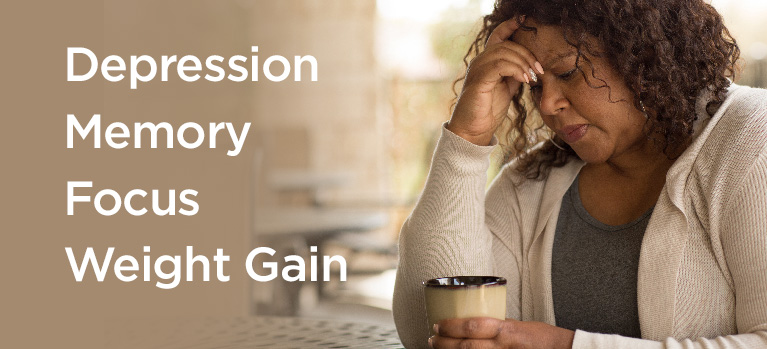
Are you feeling down and worried that you might have depression? Do you have memory problems or trouble focusing and are worried that you might have ADD? Are you gaining weight and don’t know why? It could be your hormones!

Hormones are chemical messengers produced in the body that control and regulate the activity of certain cells or organs. Neurohormones have an important impact on the brain. The human body produces hundreds of hormones, but the following four of them have a very direct influence on brain health/mental health:

• Thyroid—energy regulation
• Estrogen—mood modulator
• Progesterone—nature’s anti-anxiety hormone
• Testosterone—mood, motivation, sexuality, strength

NEUROHORMONES AND THE BRAIN

Communication between the brain and hormones goes both ways. The brain sends out signals that instruct your body’s glands to produce and release hormones, and hormones from within the body send messages back to the brain that influences its activity.

When hormones are healthy, you tend to feel vibrant and energetic. When the hormones that affect your brain neurohormones are off, you are off. You may experience symptoms that change the way you think, feel, and act in negative ways. It also makes you more vulnerable to conditions like anxiety, depression, and even psychosis. If nobody checks your hormone levels, you will never know the root cause of your issues. And if your hormones are the problem, no amount of psychiatric medications will get you right.

THYROID: THE MOOD AND ENERGY REGULATOR

The thyroid is a small, butterfly-shaped gland located in your lower neck that plays a powerful role in keeping your brain and body healthy. This gland regulates how your body uses energy, and it also has a strong impact on the brain because it controls the production of many neurotransmitters, such as dopamine, serotonin, and GABA. Problems occur when thyroid dysfunction causes the gland to produce too little hormone (hypothyroidism) or too much hormone (hyperthyroidism).

Hypothyroidism: Brain SPECT scans of people with hypothyroidism show overall decreased brain activity, which often leads to depression, cognitive impairment, anxiety, and brain fog.

Hyperthyroidism: An overactive thyroid produces too much hormone, making everything in your body work too fast. It can feel like you’re in hyper-drive—you feel jittery and edgy, as though you’ve had way too much caffeine.

COMMON SYMPTOMS OF THYROID DYSFUNCTION

Hypothyroidism

• Fatigue
• Difficulty concentrating
• Memory problems
• Depression
• Attentional problems
• Psychosis

Hyperthyroidism

• Sleeplessness, restlessness
• Anxiety
• Irritability
• Racing thoughts
• Difficulty concentrating
• Memory problems
• Depression
• Mania
• Psychosis

5 Things Your Gut is Trying to Tell You

The Importance of Maintaining a Healthy Gut

It’s surprising how much you can tell about your overall health from the condition of your gut. The state of your gut has been known to have a direct correlation between overall health and wellness and can even indicate problems in other parts of the body. Because research indicates that 70 percent of the immune system may be found in the gut, paying attention to your gut health is incredibly important because problems with the gut can be the first signs of problems elsewhere in the body. If you are experiencing gastrointestinal problems, your gut may be trying to indicate a mild or serious problem. Here are a few of the ways that gut health and overall health are connected

1. The Link Between Gut Health and Depression

The gut is sometimes referred to as “the second brain,” thanks to a multitude of studies indicating a strong link between gut health and brain health. From depression and anxiety to brain fog and fatigue, your bathroom habits and the presence of other gut-related conditions like the rapid onset of nausea, vomiting, acid reflux, abdominal pain, constipation, or diarrhea can tell you quite a lot about your mental health.

How Gut Health Affects the Brain

The link between gut health and brain health indicates the state of our brains and our stomachs have a direct connection. Numerous research studies have indicated that individuals with chronic depression experience frequent bouts of constipation, diarrhea, stomach discomfort, and other gastrointestinal symptoms. This is believed to be caused by the bacteria in your gut since evidence suggests those with depression tend to have higher chances of having gut biomes that contain a large amount of “bad bacteria” or inadequate amounts of “good bacteria.” An imbalance of gut bacteria can lead to many additional side effects, including:

  • Acid Reflux
  • Delayed Digestion
  • Delayed Gastric Emptying
  • Flatulence
  • Heartburn
  • Nausea
  • Upset Stomach
  • Vomiting

2. The Link Between Anxiety and Gut Health

As with depression, there’s evidence to suggest a direct link exists between anxiety and gut health. This is again believed to be the result of an imbalance of bacteria, and it makes sense. When you don’t feel well, you can become more agitated, restless, and anxious, so if there’s a chronic or permanent problem in the stomach, the lining of the intestines, or other digestive areas, it’s easy to see how anxiety can become a chronic problem.  

3. Celiac Disease and Gastrointestinal Problems

Gastrointestinal problems are the biggest signs and symptoms of food-related autoimmune disorders like celiac disease. Celiac disease is a serious condition in which an individual’s small intestine is unable to ingest gluten, a common ingredient found naturally in wheat, barley, and rye but also as a thickening agent in salad dressings, packaged foods. In individuals with celiac disease, the immune system triggers a response to gluten, and in addition to stomach pain, nausea, vomiting, diarrhea, and constipation, this can also lead to physical symptoms elsewhere, including fatigue, headaches, joint pain and inflammation, and even seizures. Over time, the small intestine can even sustain permanent damage from the ingestion of gluten.

4. Vitamin Deficiencies and Gut Health

If you’re experiencing gastrointestinal issues and food allergies and sensitivities have already been ruled out, it’s possible your symptoms are related to a Vitamin D deficiency. Vitamin D and it is anti-inflammatory and immune system regulating effects can boost your mood and your overall health. Studies have shown a vitamin D deficiency, however, may be linked to Irritable Bowel Syndrome (IBS), colon and rectal cancer, breast cancer, and other serious health concerns.

5. Hormonal Imbalances and Gut Health

The human body produces around 50 different hormones that are essential to the proper function of essential organs and processes. When too little or too much of these hormones are secreted, the result can be a decrease in vitality, focus, and overall health and wellness. One of the ways hormonal imbalances can manifest is through gastrointestinal problems. When the endocrine system (which is in charge of the organs that secrete hormones) isn’t functioning properly, this can also mean the digestive system, circulatory system, and other parts of the body can malfunction. Through a hormone test, your wellness provider can determine whether or not a hormone deficiency or imbalance can be the cause of your gut health concerns.

Ready to change your gut health for the better?

Contact us today to get your body back on track or feeling better than ever before because at New Leaf Wellness, our mission is for our patients to ‘live their best life’. Get started with a totally free consultation or call us at 888-728-7555.

[formlift id=”1749″]

What is progesterone? 

What is progesterone? Progesterone is a hormone. Its name comes from “pro” — meaning to support, and “gest” — meaning gestation. It triggers pregnancy and keeps it going.

How It Works

Progesterone initiates birth by helping sperm get attracted to, swim towards, and penetrate into the deeper layer of eggs produced by the female. Once pregnant, the soon-to-be mom’s body secretes increasingly high levels of progesterone (up to 400 mg/day) to help “hold” the pregnancy to full term. Thus, progesterone is mostly thought of as a female pregnancy hormone.

But it’s so much more.

What Is It?

Progesterone is a natural anti-inflammatory agent, a brain protector in both sexes of all ages, a natural Ambien, and new science suggests it is so breast protective that some breast cancer survivors should be taking it!

Brain and nervous system. Progesterone protects your brain. Progesterone is part of a critical group of endogenous (naturally made) steroids (hormones) called neurosteroids. Neurosteroids protect brain and nervous system tissues. Progesterone is produced locally right inside the brain and throughout the mass of nerves inside the spinal cord to do just this. Progesterone production inside our brain and entire nervous system, including the one in our gut, happens in boys, girls, men, and women.

Neuroprotective. In the brain, gut and throughout the spinal cord, progesterone is neuroprotective. This means progesterone protects these tissues from damage from excess inflammation, regulates synaptic conversations, lubes neurotransmitters, and even protects outer nerve sheaths called myelin (one reason why progesterone therapy is helpful in some demyelinating diseases).

Progesterone protects brain volume. A healthy brain has an optimal size or volume. Aging shrinks brain volume, especially in the area where we keep memories and our sense of who we are (the hippocampus). Anything that protects brain volume promotes better thinking and loss of it (cognitive decline).

Progesterone therapy is even used to hasten brain recovery after brain injury or stroke. Progesterone does this by reducing cerebral edema, reducing excessive inflammation, and making the flux of minerals in and out of the brain more Zen-like. Both you body and brain adore ZEN.

Not many practitioners yet appreciate that progesterone wears so many protective nervous system “hats.”  At New Leaf Wellness, progesterone is one of 3 main hormones that Providers watch, monitor and adjust for Patients.

Want To Learn More?

We produce less progesterone as we age, so aging is a natural anti-progestin. But modern life is filled with unnatural molecules that can also block healthy progesterone signals and act as synthetic or environmental or toxic anti-progestins. One example is the pain medication family, many found over-the-counter, called NSAID (non-steroidal anti-inflammatory agents. Many studies show that regular daily use of NSAIDs, like Motrin, is linked to an increased risk of gut inflammation and ulcerations. Why? Motrin is an anti-progestin. It blocks the benefits of progesterone. And especially at the gut lining, as this medication is swallowed so it directly exposes the gut lining. For more information, contact your New Leaf Wellness!

Symptoms and Causes of Low Estrogen

Explaining everything you need to know about low estrogen and helping you identify if you may be in need of treatment if you resonate with any of the red flags below! Here are symptoms and causes of low estrogen…

What are the symptoms of low estrogen?

First, women of all ages can develop low estrogen.

Common symptoms of low estrogen include:

  • painful sex due to a lack of vaginal lubrication
  • an increase in urinary tract infections (UTIs) due to a thinning of the urethra
  • irregular or absent periods
  • mood swings
  • hot flashes
  • breast tenderness
  • headaches or accentuation of pre-existing migraines
  • depression
  • trouble concentrating
  • fatigue

In fact, you may also find that your bones fracture or break more easily. This may be due to a decrease in bone density. Furthermore, estrogen works in conjunction with calcium, vitamin D, and other minerals to keep bones strong. If your estrogen levels are low, you may experience decreased bone density. What causes all this? Glad you asked!

What causes low estrogen?

Estrogen is primarily produced in the ovaries. And unfortunately, anything that affects the ovaries will end up affecting estrogen production. And this isn’t for just mature age women.

Young women may experience low levels of estrogen due to:

  • excessive exercise
  • eating disorders, such as anorexia
  • a low-functioning pituitary gland
  • premature ovarian failure, which can result from genetic defects, toxins, or an autoimmune condition
  • Turner syndrome
  • chronic kidney disease

In women over age 40, low estrogen can be a sign of approaching menopause. This time of transition is called perimenopause.

During perimenopause, your ovaries will still produce estrogen. Production will continue to slow until you reach menopause. When you’re no longer producing estrogen, you’ve reached menopause. So, check your levels today!